October 16, 2025
Swimming pools are valuable investments that enhance property value while offering a space for relaxation and recreation. To protect this investment, regular inspections and professional pool service are essential. They help prevent costly repairs, extend the pool’s lifespan, and provide peace of mind by ensuring safety and functionality. While inspections or hiring a pool service may feel like added expenses, they save money in the long run by identifying potential issues before they escalate. Routine care maintains proper chemical balance, confirms equipment efficiency, and improves the overall swimming experience.
A comprehensive inspection combined with ongoing pool service evaluates structural integrity, water quality, and the operation of all systems. Detecting issues early avoids major damages and ensures compliance with local safety regulations. Regular service also helps homeowners develop effective maintenance plans, ultimately preserving both the pool’s usability and property value. By exploring the many benefits of inspections and professional pool service, it becomes clear that they are indispensable parts of responsible pool ownership.
According to Raleigh Realty Homes, 59% of pools in the U.S. are in-ground. This highlights the importance of inspections and professional pool service, as in-ground pools often represent significant investments that require consistent care to remain safe, functional, and visually appealing.
1. Identifying Structural Issues Early
Structural integrity is one of the most critical elements of pool inspections. Cracks, even small ones, can spread and compromise the pool shell or surrounding deck. Inspections and pool service catch these weaknesses early, allowing repairs before they grow into costly and hazardous problems. Decking, tiles, and coping are also assessed. When left unchecked, damaged surfaces may lead to water seepage, erosion, or safety hazards.
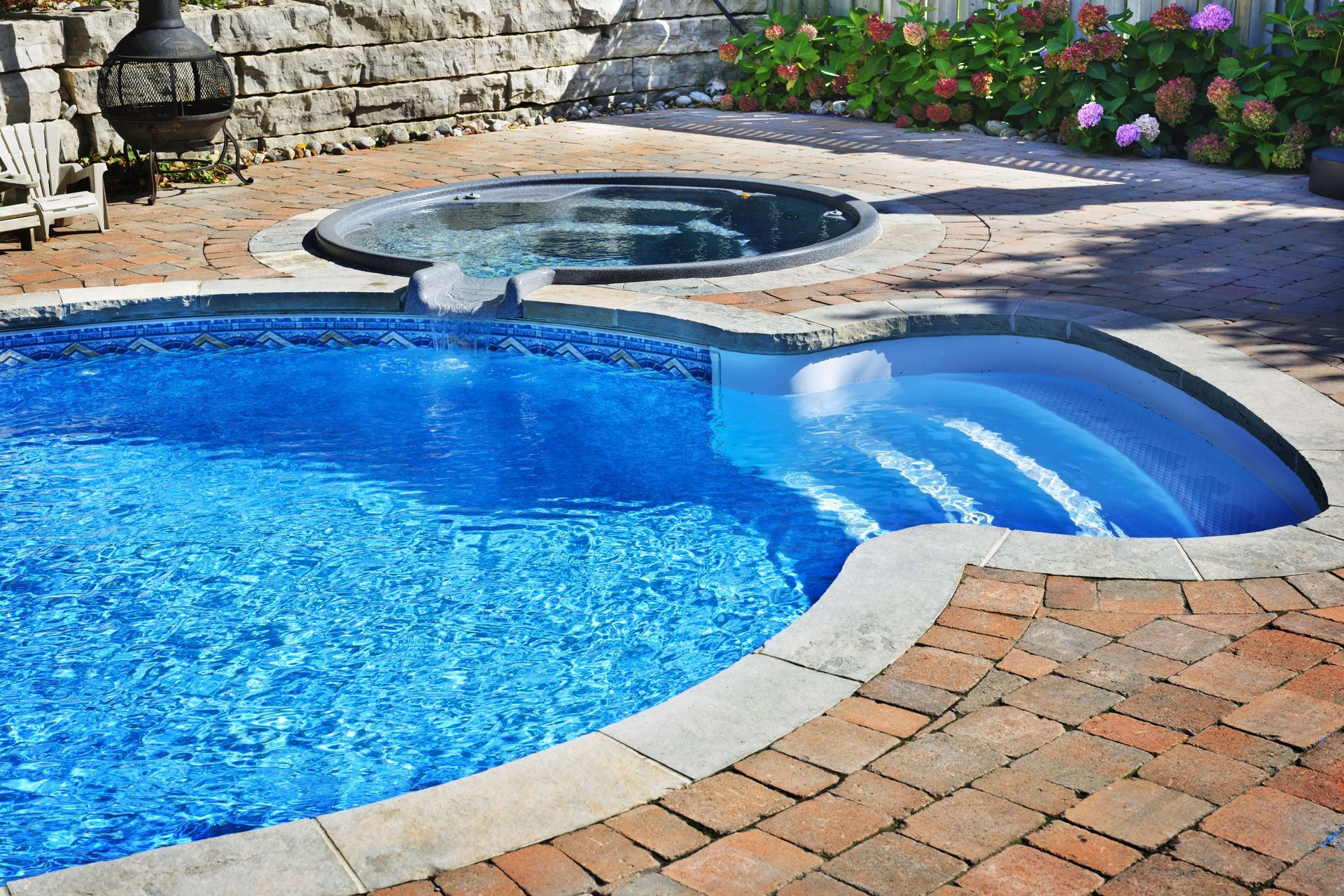
Signs of settlement or erosion around the pool often indicate underlying structural issues. Regular pool service includes monitoring these areas and addressing problems before they demand major reconstruction. Spas, which face similar risks, are also examined to maintain functionality and aesthetics. Preventive measures through a pool service are far more economical than repairing significant structural failures that can run into thousands of dollars.
Another often-overlooked issue is soil movement or drainage problems near the pool area. During heavy rain, improper drainage can put pressure on pool walls, leading to cracks or misalignment. A professional inspection paired with pool service identifies these risks and provides solutions such as improved grading or drainage systems. Addressing them early helps protect both the pool structure and the surrounding landscape.
2. Ensuring Proper Function of Pool Equipment
Pool equipment plays a major role in water circulation, cleanliness, and safety. Pumps are inspected to confirm efficiency, as a poorly functioning pump increases energy bills and shortens equipment lifespan. Filters, which remove debris and contaminants, are tested to verify performance and identify whether cleaning or replacement is necessary. Heating systems are also checked to ensure the pool can remain comfortable in various climates and seasons. Having a reliable pool service means these checks happen routinely without waiting for a breakdown.
Inspections also include plumbing systems, looking for leaks, cracks, or valve problems. Small leaks can cause water waste and structural damage if ignored. Lighting systems are tested for both safety and aesthetics, ensuring all electrical components are operational. By combining inspections with scheduled pool service, owners can avoid unexpected breakdowns and maintain an efficient, ready-to-use pool.
Energy efficiency is another major consideration. Modern pool equipment often includes variable-speed pumps, advanced filtration systems, and automated controllers. A pool service provider can recommend upgrades that save energy and reduce operating costs over time. Incorporating smart technology, such as timers and sensors, also enhances performance and makes pool ownership more convenient.
3. Maintaining Water Quality and Safety
Balanced water chemistry is critical for swimmer safety and the protection of pool surfaces. Inspectors test chlorine, pH, and alkalinity levels to confirm they fall within recommended ranges. Proper chemical balance prevents bacteria growth, algae, and swimmer irritation. Many homeowners rely on pool service professionals to manage chemical treatments and water testing, ensuring consistent quality throughout the season.
Maintaining appropriate pH levels prevents corrosion of metal components and scaling on surfaces, both of which can shorten the life of pool equipment. Water clarity is also monitored, as cloudy or murky conditions can be a safety hazard. A proactive inspection schedule, paired with professional pool service, keeps the water safe, clear, and inviting for everyone who uses it.
For households with children or frequent guests, regular testing is even more important. Bacteria or algae can spread quickly in unmonitored water, increasing the risk of illness. Pool service providers not only balance chemicals but also educate homeowners on proper at-home testing between visits, giving families an extra layer of protection and confidence in their pool’s safety.
4. Verifying Safety Features
Safety is a primary concern for every pool owner. Inspections verify that alarms, covers, and gates function properly and meet local standards. Families with children especially benefit from well-maintained barriers and alarm systems. Pool service providers can often install, maintain, or recommend updated safety features, helping reduce liability risks for owners.
Non-slip surfaces, fencing, and lifesaving equipment like flotation devices are also checked. By combining inspections with routine pool service, homeowners can be confident that all safety measures remain in place and compliant with regulations. These efforts protect both swimmers and owners while creating a safe, enjoyable swimming environment.
Another safety factor is lighting. Proper underwater and exterior lighting not only makes night swimming enjoyable but also reduces accident risks. A comprehensive pool service plan ensures that bulbs, wiring, and timers are inspected regularly, preventing electrical hazards and keeping the pool area secure.
5. Extending Pool Lifecycle
Routine inspections and regular pool service extend a pool’s usable life by addressing wear before it leads to failure. Surfaces, finishes, and coatings are monitored for deterioration. When problems are caught early, resurfacing or sealing can be delayed, saving significant money. Service professionals also protect equipment longevity, ensuring pumps, heaters, and filters function at peak performance.
Plumbing checks are particularly valuable, as leaks not only waste water but also undermine the pool structure. By repairing minor issues quickly, homeowners reduce resource waste and avoid expensive reconstruction. Pool service packages that include inspections make these preventive measures easy to schedule and maintain, representing one of the most cost-effective strategies available.
Seasonal changes also take a toll on pool structures and systems. Freezing temperatures, storms, or heavy heat waves can create stress points in equipment and materials. With regular pool service, weather-related wear is identified and corrected promptly, keeping the pool functional for years longer than if left unchecked.
6. Enhancing Pool Enjoyment and Value
Well-maintained pools provide uninterrupted enjoyment and enhance property value. Pool service professionals keep pools consistently ready for use, offering homeowners and families a reliable space for relaxation. Seasonal readiness ensures no downtime when warm weather arrives. Whether for quiet evenings or large gatherings, a pool that is properly maintained adds to the lifestyle value of the property.
From a financial perspective, a pool in good condition increases marketability. Buyers view a functional pool as a luxury amenity, but visible damage or malfunctioning equipment can make it a liability. Regular inspections and ongoing pool service protect resale value by preserving both functionality and aesthetics. Environmentally, they also help reduce water waste, chemical overuse, and energy inefficiency, aligning with sustainable practices. Altogether, inspections and professional pool service elevate the pool experience while protecting long-term investment.
Even small upgrades can make a pool more enjoyable. Adding water features, updating tiles, or modernizing lighting systems are easier when the pool is already in good condition. A pool service provider can guide homeowners on the best enhancements to improve aesthetics and functionality while staying within budget.
Pool inspections and regular pool service are essential for ensuring safety, functionality, and long-term value. They identify structural problems, confirm equipment performance, and maintain water quality, reducing the risk of expensive repairs. Safety features are verified, and compliance with regulations is confirmed, creating a secure swimming environment. Service also extends the pool’s lifespan and boosts property value, making it an excellent investment for homeowners. Looking for pool service? Contact Aqua Design Pools & Spas, LLC today.